
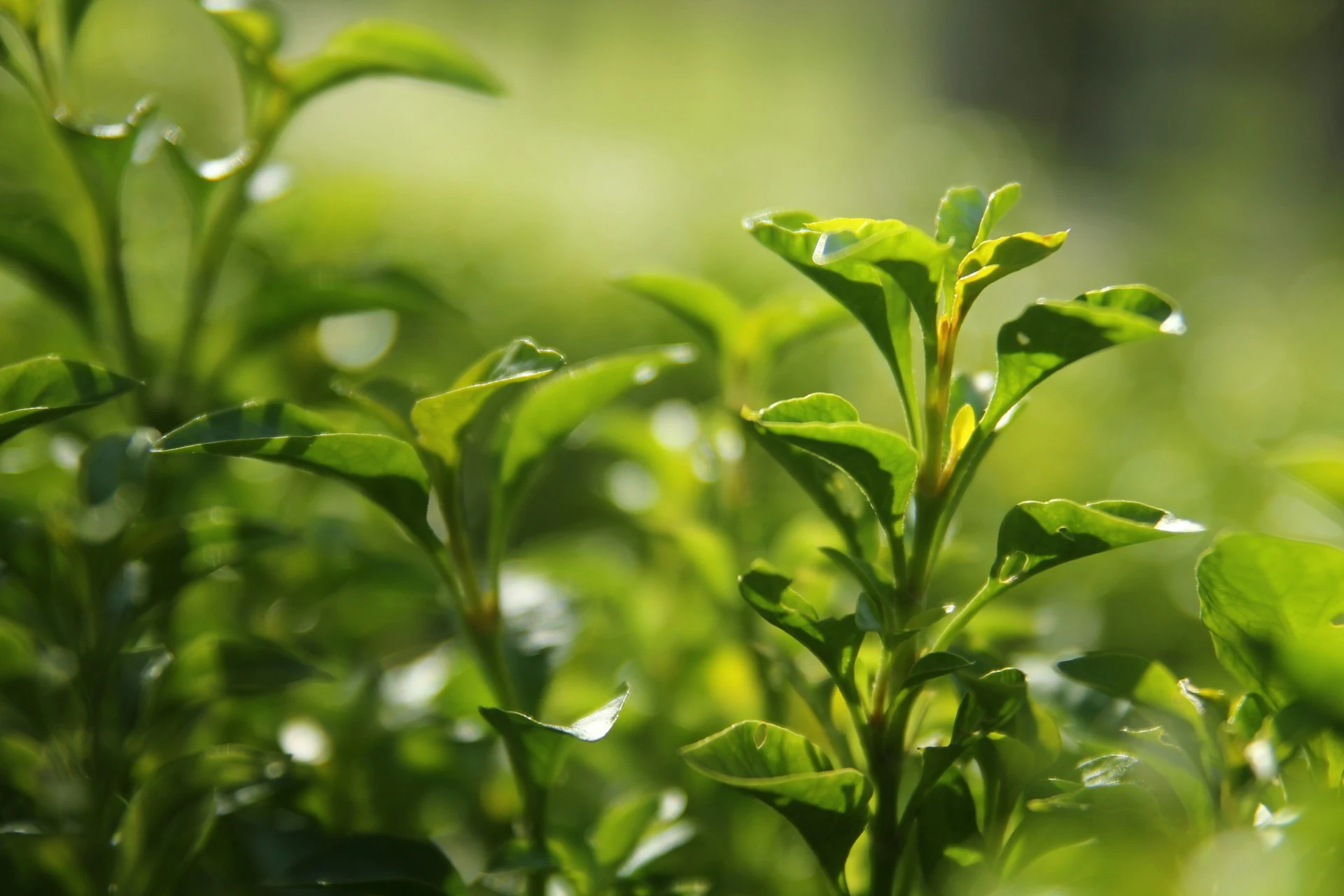
Ilam grows most of Nepal’s orthodox tea. That is the loose-leaf, hand-processed kind that gets compared to Darjeeling, not the fine granules that go into a milk tea in the morning.
Knowing which of the two you are buying is the whole game. Most visitors do not, and they take home the wrong thing.
Quick answers
What is Ilam tea? Orthodox tea grown in the hills of Ilam district, eastern Nepal, at roughly 1,000 to 2,000 metres.
Orthodox or CTC? Ilam is orthodox country. CTC comes from the plains in Jhapa.
Is it the same as Darjeeling? Not the same, but the same ridge system, similar elevation, and similar processing. That is why they taste related.
What should you buy? Orthodox, single origin, with the flush and year on the packet.
Where should you buy it? In Ilam Bazaar, not from roadside stalls on the highway.
Orthodox and CTC are grown in different places
This is the fact that makes everything else make sense, and you drive straight through it on the way in.
Nepal makes two kinds of tea in two different landscapes.
| CTC | Orthodox | |
|---|---|---|
| Where | Jhapa, the plains | Ilam and the eastern hills |
| Share of national output | roughly three quarters | roughly one quarter |
| Processing | machine crushed into granules | leaf rolled and dried whole |
| Ends up in | tea bags, milk tea, the domestic market | loose leaf, export, specialty |
CTC stands for crush, tear, curl. Machines break the leaf into small hard particles that brew fast and strong, which is what you want under milk and sugar. Almost all of Nepal’s CTC comes from the flat land in Jhapa district.
Orthodox keeps the leaf intact. It is rolled and dried rather than shredded, takes longer, and needs more skill. It is what the hills produce, and Ilam alone accounts for over 80 percent of Nepal’s orthodox tea.
So the drive from Bhadrapur up to Ilam is a drive out of CTC country and into orthodox country. The tea changes with the altitude, and so does what is worth buying.
Why does Ilam tea get compared to Darjeeling?
Because it is the same hills.
Ilam sits on the same ridge system as Darjeeling, on the Nepali side of the border. Same elevation band, same monsoon, same soil, similar bushes, and the same orthodox processing. Terroir does not stop at a national boundary.
The differences are real but smaller than the similarity. Nepali gardens are generally younger, and the character tends to run a little cleaner and sweeter through the middle. If you like Darjeeling, you will recognise Ilam tea immediately.
There is a commercial history behind the comparison too. For a long time Nepali orthodox tea was sold onward and blended into better known names, and Nepal earned very little of the value it created. That is the problem the branding effort below was built to fix.
The Nepali tea trademark, and why it exists
In September 2020, Nepal formally launched a collective trademark for its orthodox tea: Nepal Tea Quality from the Himalaya. It was the country’s first agricultural brand.
The National Tea and Coffee Development Board ran the process under the Nepal Orthodox Tea Certification Trademark Directive of 2018. Of 42 facilities that applied, 12 qualified.
Two things are worth taking from that.
The first is that the mark exists because Nepali tea had an identity problem, not a quality problem. It has been grown here since the 1860s and spent most of that time being sold under someone else’s name.
The second is that only a minority of applicants met the standard. The mark means something precisely because it was not handed out freely.
What the farmer gets paid
This is the part of the tea trade nobody prints on a packet, and it explains a lot about why the tea is cheap.
Growers are paid for green leaf, the raw picked leaves, by weight. It takes several kilos of green leaf to make one kilo of finished tea, so the farm gate price and the shop price are very different numbers.
In May 2018, Suryodaya Municipality in Ilam set a floor price for green leaf of NPR 40 per kg, the first time any local government in Nepal had done so. It did that because mills were paying NPR 25 to 30 at the time.
The volatility is the real problem. Farmers report prices reaching around NPR 100 per kg at peak first flush and falling to about NPR 20 in monsoon, for the same work on the same bushes. A floor price exists to stop the bottom of that range from being ruinous.
Certification changes the maths. Organic certified leaf fetches noticeably more than uncertified, which is why so many Ilam growers have moved that way despite the cost and paperwork of getting certified.
None of this tells you what a packet costs in a shop. It does tell you that when tea is unusually cheap, someone further down the chain absorbed it. Paying a bit more for traceable, certified tea is not only about flavour.
What to buy
Ask for orthodox, and then narrow it down.
Pick a flush. First flush is picked from late March into April. It is lighter, greener and more delicate. Second flush comes later and is fuller and rounder. Neither is better. They are different teas, and a seller who cannot tell you which one you are holding is not the seller you want.
Look for a year. Tea is not wine. Orthodox tea is at its best reasonably fresh, and a packet with no harvest information is usually old stock or a blend.
Prefer single origin. A named garden or cooperative is traceable. A generic tin with a mountain photograph is not.
Taste first. Any shop worth buying from will brew you a cup. This is normal and expected, not an imposition.
What to skip
Roadside stalls on the highway. They exist for people who are driving past and will not compare. Selection is narrow and the staff often cannot answer basic questions about what they are selling.
Anything sold purely on packaging. Decorative tins are priced for the tin.
CTC as a souvenir. It is perfectly good tea for the way it is meant to be drunk, with milk and sugar, in the morning. It is not what you flew home with a suitcase for.
Where to buy in Ilam
Ilam Bazaar is the right place. The shops there carry a wider range than anything on the highway, the people behind the counter generally know their stock, and you can taste before committing.
If you are visiting Kanyam, walk the gardens there but hold your money until town. The gardens are the better experience and the bazaar is the better shop.
Frequently asked questions
What is Ilam tea famous for?
Orthodox tea. Ilam produces the large majority of Nepal’s orthodox output, grown between roughly 1,000 and 2,000 metres in the eastern hills, and it is the tea most often compared with Darjeeling.
What is the difference between orthodox and CTC tea?
Orthodox keeps the leaf whole through rolling and drying, giving lighter, more complex loose-leaf tea. CTC crushes the leaf into granules that brew fast and strong for milk tea. In Nepal, orthodox comes from the hills and CTC from the plains in Jhapa.
Is Ilam tea better than Darjeeling?
They are close relatives from the same ridge system rather than competitors. Nepali orthodox tends to taste a little cleaner and sweeter. Darjeeling has the bigger name, which historically meant Nepali tea was sold under it.
What is the best time to buy tea in Ilam?
First flush reaches shops from around April. If you want the freshest of that year, visit in spring. Otherwise buy any time and check the harvest year on the packet.
How much are Ilam tea farmers paid?
They are paid by weight for green leaf, the raw picked leaves. In 2018 Suryodaya Municipality in Ilam set a floor price of NPR 40 per kg, the first in Nepal, because mills were paying NPR 25 to 30. Farmers report swings from about NPR 20 in monsoon to around NPR 100 at peak first flush.
What does the Nepal tea trademark mean?
It is a collective mark, “Nepal Tea Quality from the Himalaya”, launched in 2020 under the National Tea and Coffee Development Board. Only 12 of 42 applicant facilities qualified, so it signals a verified standard rather than a marketing label.
Can you visit a tea factory in Ilam?
Yes. There is a processing factory at Kanyam that is open to visitors, and the estate gardens around Ilam Bazaar can be walked freely.
Before you go
Buy orthodox, ask which flush, check the year, and taste it first. Do that and you will come home with tea worth the suitcase space.
More on the district itself in the Ilam travel guide. If a detail here is out of date, tell me and I will fix it.